
Small flies around pots
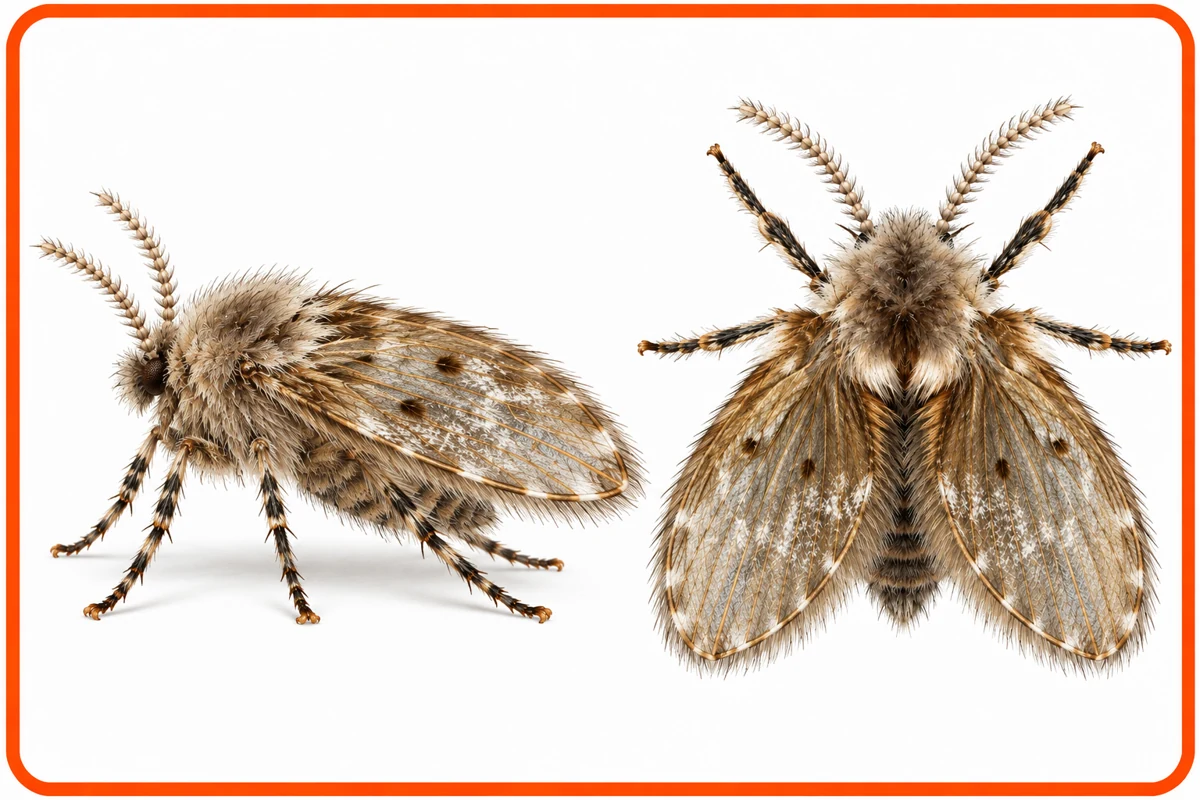
Fungus Gnat
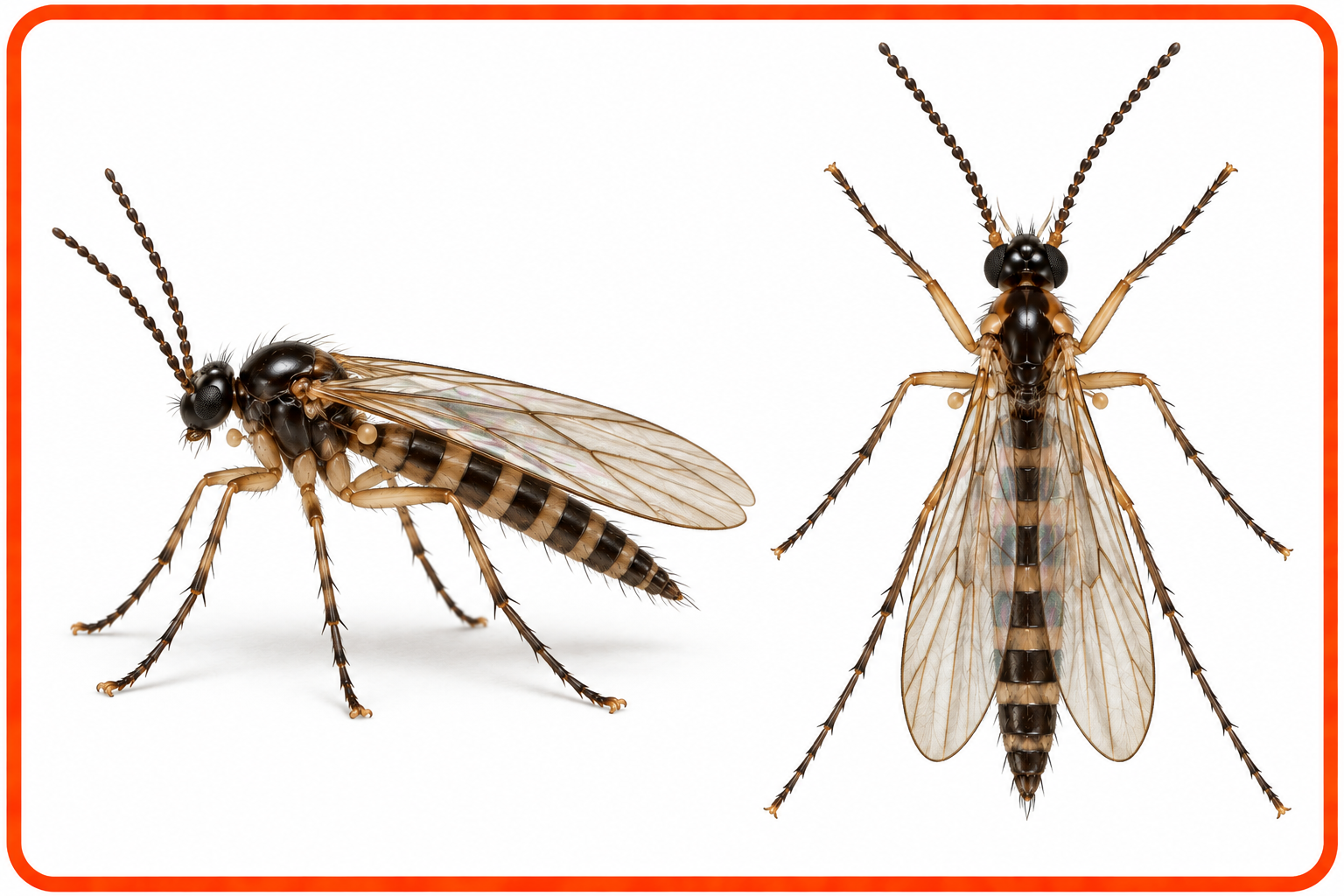
Life Cycle
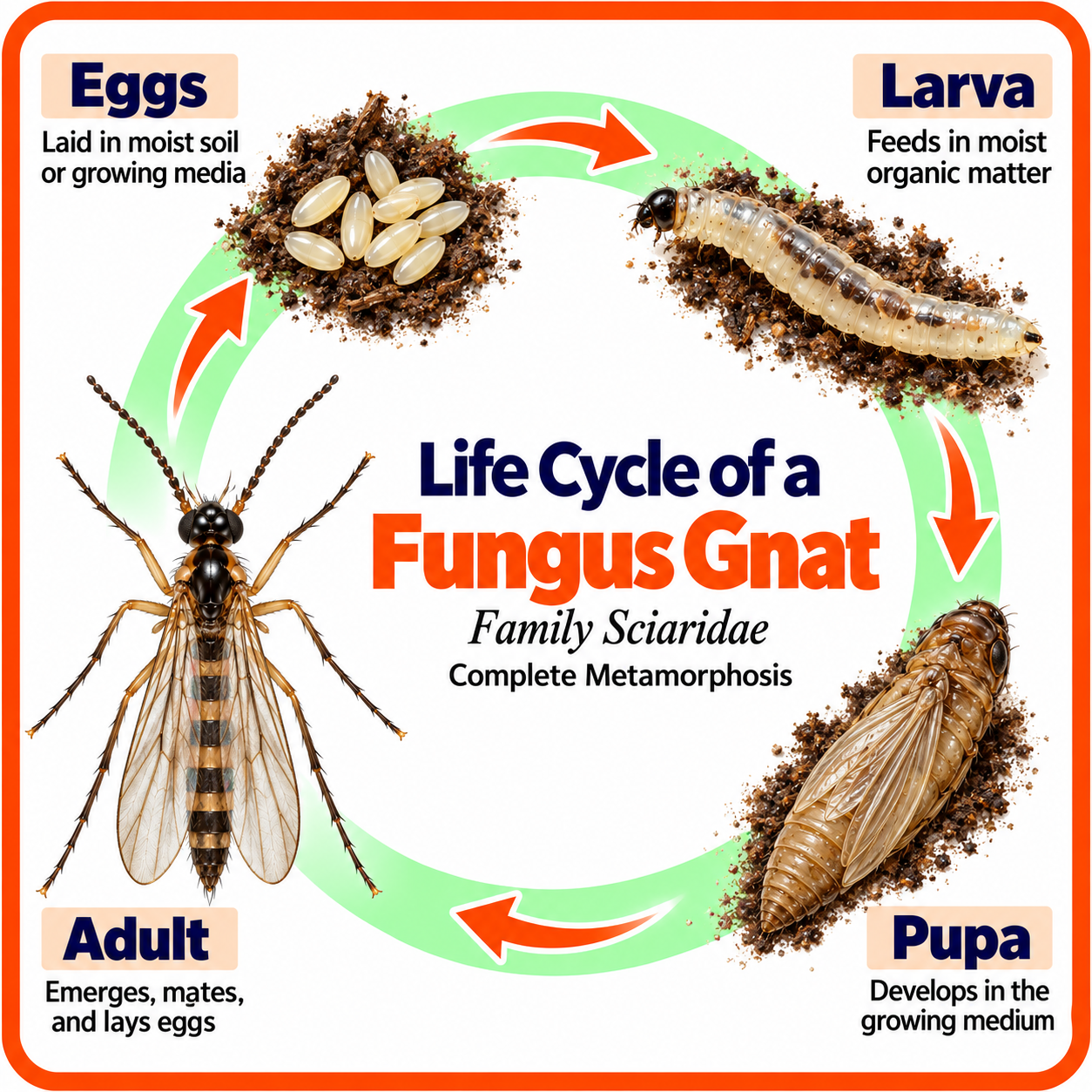
- Color
- Usually dark gray or black
- Size
- Small; commonly a few millimeters
- Key Markings
- Slender body and long legs
- Activity
- Weak flight near plants
- Common Areas
- Damp potting mix and growing media
Description
Family Sciaridae
Fungus gnats are small flies often noticed near indoor plants. Larvae live in moist growing media, feeding on fungi and organic material; some can injure roots. Development includes egg, larva, pupa, and adult. Adults usually stay near the conditions that support their young.
Flies develop through egg, larva, pupa, and adult stages. Removing adult flies does not remove the material supporting their young.
What Attracts Them?
- Consistently damp potting mix
- Fungal growth and organic matter
- Poorly drained plant containers
How Do They Get Inside?
- Infested plants or growing media
- Open windows and doors
- Movement between nearby pots
Signs of an Infestation
Adults near nearby windows
Larvae in damp growing media
Activity after watering
How Serious or Harmful Are They?
Adults are mainly a nuisance. Larval feeding can affect susceptible plants. Persistent wet growing media allows the problem to continue.
Treatment / How to Get Rid of Them
What You Can Do
- Adjust watering to the plant’s needs
- Improve drainage and remove standing water
- Remove decaying plant debris
- Monitor suspect pots and avoid spreading infested media
How Pest Guys Helps

Assess — We inspect your property, identify pests and activity, locate nesting and hiding areas, and find contributing conditions.
Communicate — We explain our findings, discuss the recommended plan, answer your questions, and confirm understanding and agreement.
Treat — We put the agreed plan into action, perform the initial treatment, provide ongoing service, and monitor results to adjust as needed.
Frequently Asked Questions
What should I look for first?
Slender body and long legs. Small flies around pots. A clear photograph and the location of activity can help with identification.
What conditions should I check?
Start with consistently damp potting mix. Adjust watering to the plant’s needs.
Does seeing one mean there is an infestation?
A single sighting does not establish the extent of a problem. Repeated activity, developing young, nests, or other evidence help us determine what is happening.
How does Pest Guys decide what to do?
We use A-C-T: Assess, Communicate, Treat. The pest, its location, and the conditions at your home guide the recommendation. We explain the plan and any preparation needed before service.
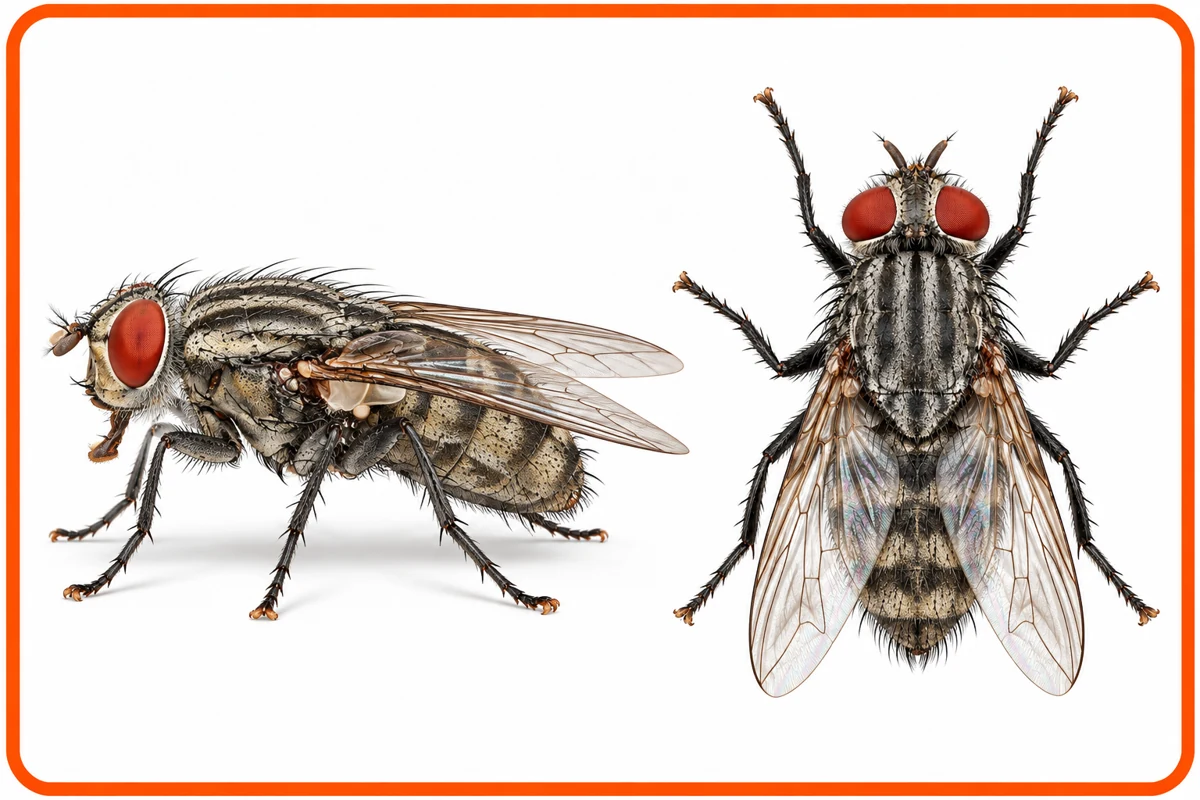
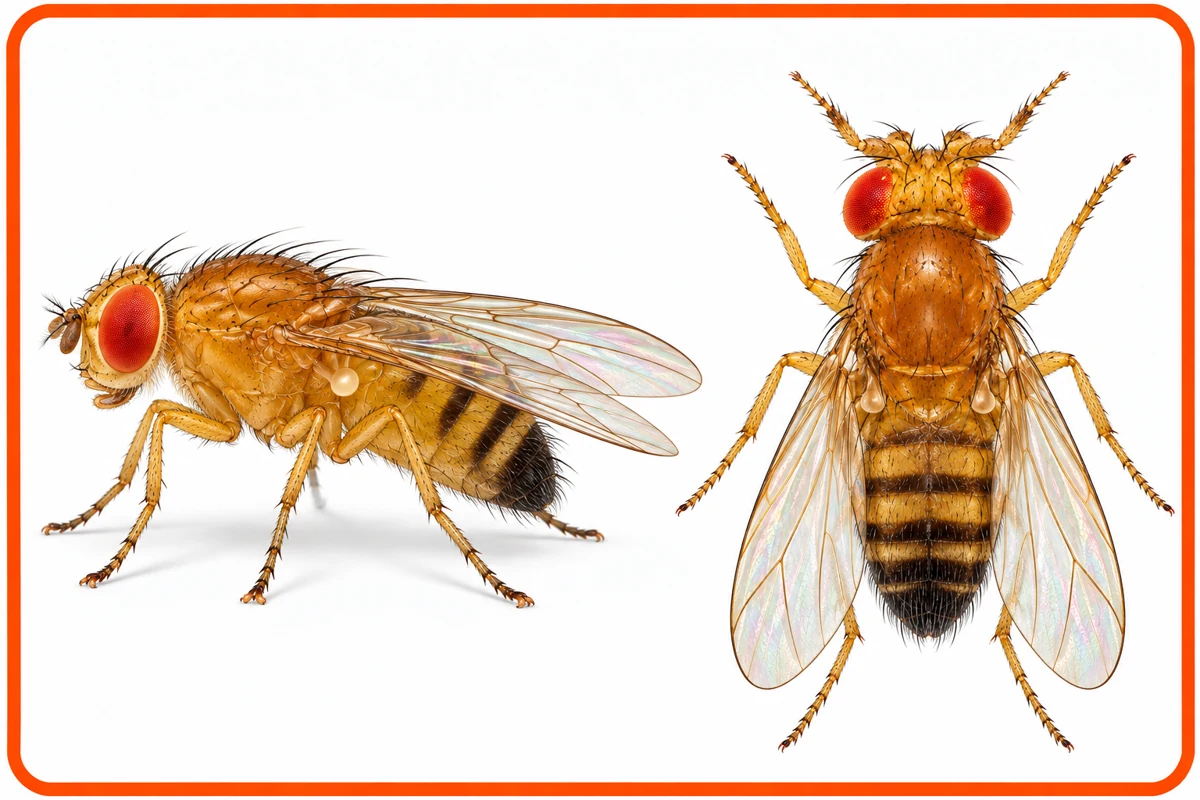
Comparisons With Similar Pests
Need help identifying a pest?
Tell us what you’re seeing. We’ll help determine the next step.