
Small droppings
Mouse
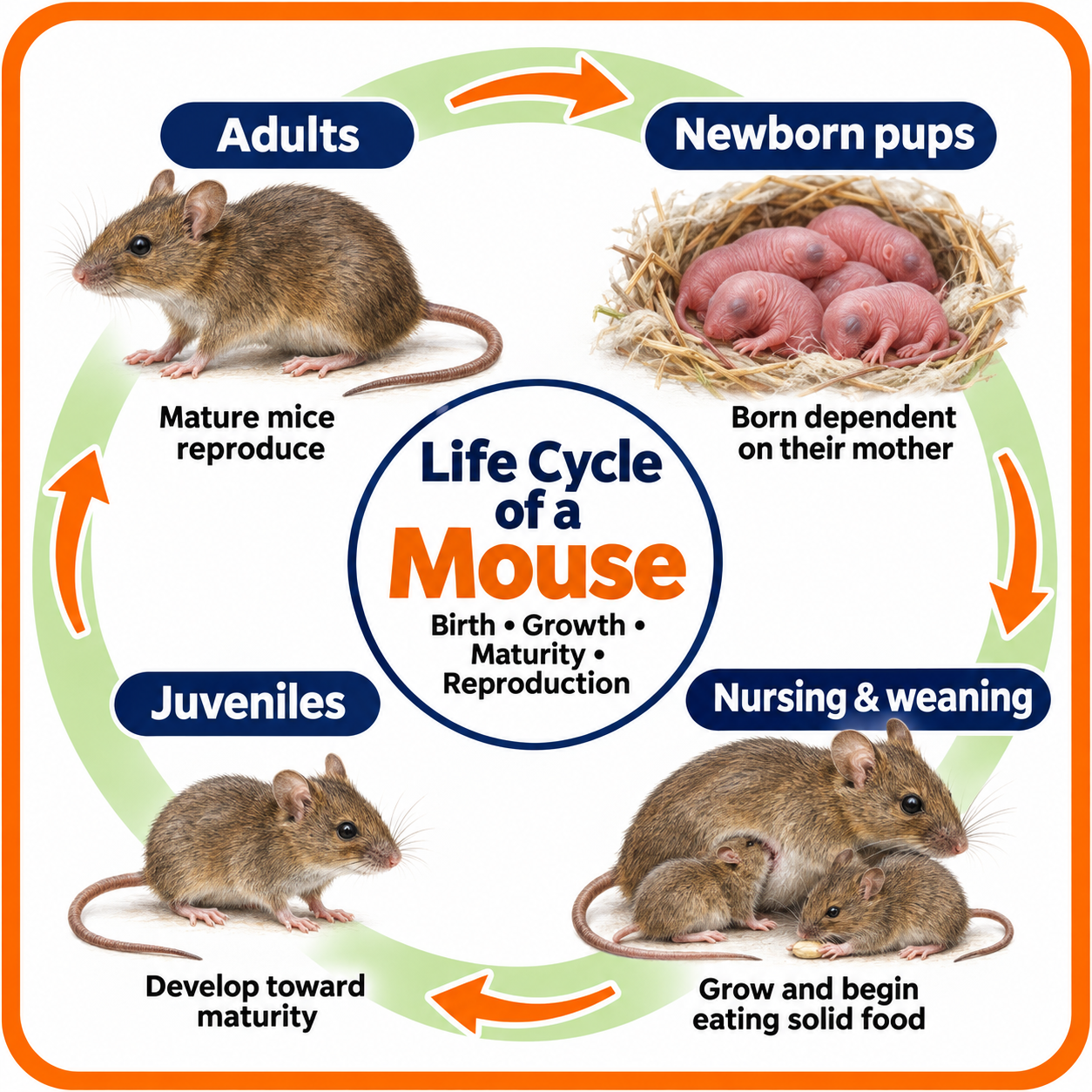
Life Cycle
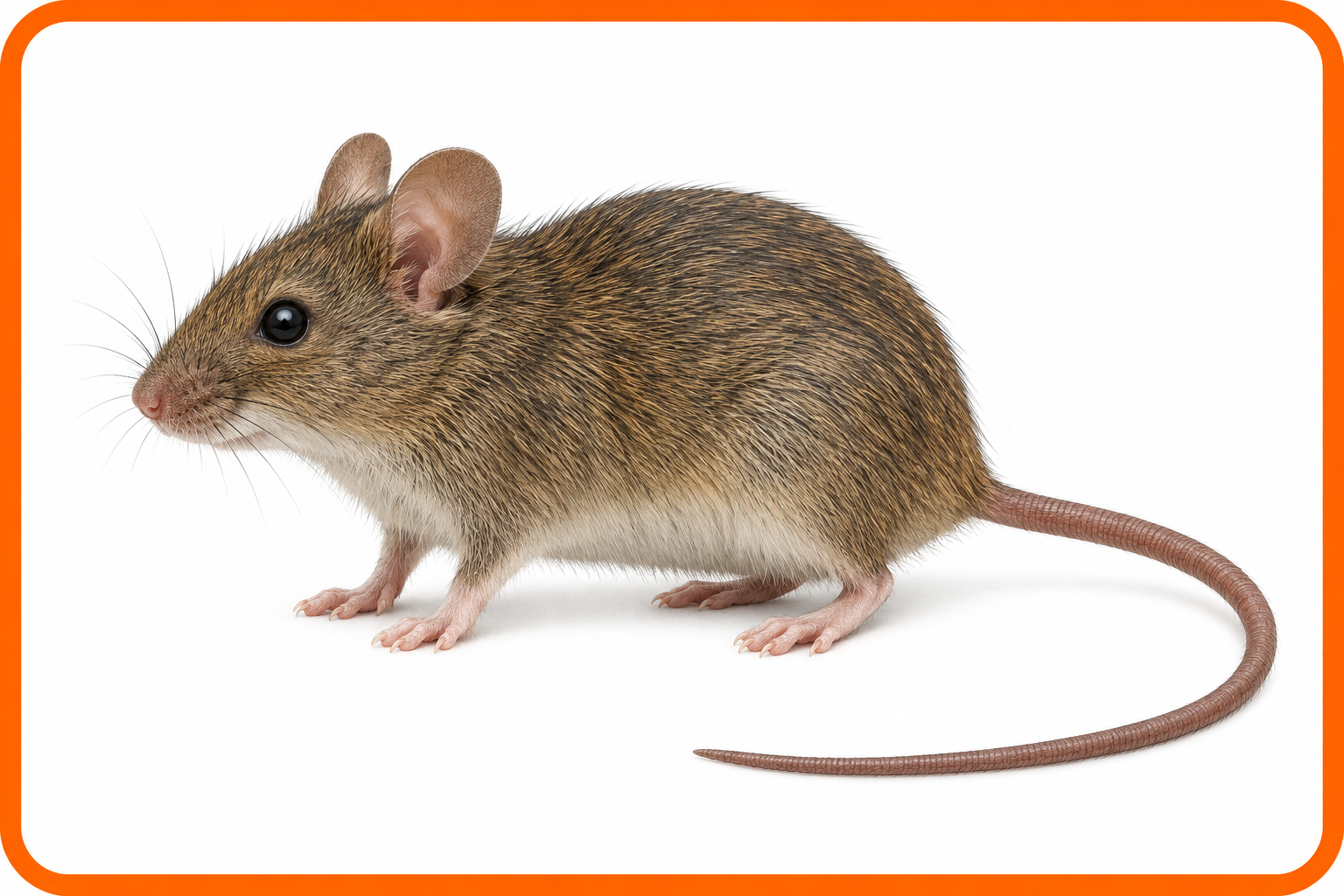
- Color
- Brownish gray
- Size
- 5–7 inches, including tail
- Key Markings
- Small body; relatively large ears
- Activity
- Usually active at night
- Common Areas
- Cabinets, stored goods, wall spaces
Description
Mus musculus
This guide covers the house mouse. It is a small, adaptable rodent that feeds on grains, seeds, and other available foods. Sheltered indoor spaces can support nesting close to a food supply. Young are born dependent on their mother and grow into breeding adults; mice do not undergo metamorphosis.
What Attracts Them?
- Accessible pantry foods and pet food
- Crumbs and spilled seed
- Clutter that provides nesting cover
How Do They Get Inside?
- Small gaps around pipes and doors
- Unscreened openings
- Infested boxes or deliveries
Signs of an Infestation
Chewed packaging
Shredded nesting material
Musky odor
How Serious or Harmful Are They?
Rodent activity can contaminate food and damage property through gnawing. Address signs promptly. Avoid handling rodents or contaminated material with bare hands, and do not dry-sweep or vacuum droppings.
Treatment / How to Get Rid of Them
What You Can Do
- Secure food and trash; remove clutter
- Repair leaks and reduce shelter near the home
- Have entry gaps assessed and corrected with gnaw-resistant materials
- Keep control devices away from children and pets
How Pest Guys Helps

Assess — We inspect your property, identify pests and activity, locate nesting and hiding areas, and find contributing conditions.
Communicate — We explain our findings, discuss the recommended plan, answer your questions, and confirm understanding and agreement.
Treat — We put the agreed plan into action, perform the initial treatment, provide ongoing service, and monitor results to adjust as needed.
Frequently Asked Questions
Can a young rat look like a mouse?
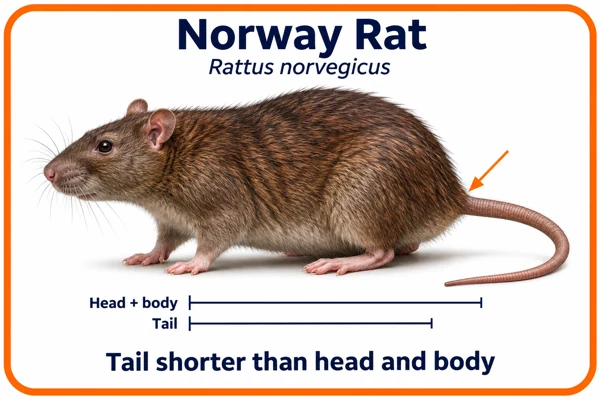
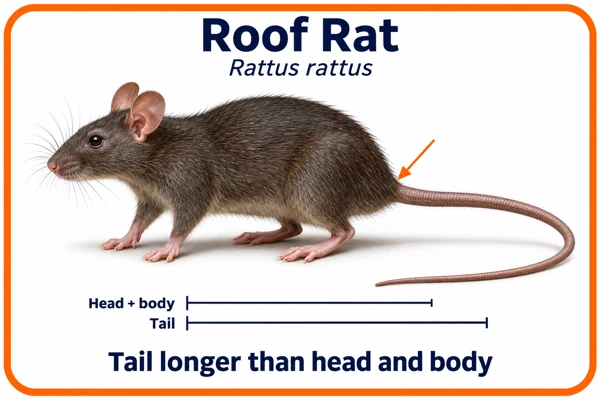
Yes. Compare several features rather than size alone; young rats tend to have relatively large heads and feet.
How small an opening can mice use?
A house mouse can pass through an opening about ¼ inch across. Small gaps deserve attention.
Will cleaning alone solve it?
Cleaning reduces available food and cover, but an established population also needs control and entry-point correction.
Comparisons With Similar Rodents
Factual References
Written in our own words using university Extension guidance.
Need Help With Rodent Activity?
Explore Rodent Control & Exclusion →
Request Service